
What are hemostatic sponges made of?
2026-07-26 11:59:31
Gelatin from clean pork skin, collagen from cow or pig bones, chitosan from shellfish, and oxidized regenerated cellulose make up the majority of hemostatic sponges. These safe materials make structures with pores that soak up blood quickly, help platelets stick together, and make natural clotting processes easier. The make-up has a direct effect on how quickly it is absorbed, how quickly it breaks down, and how well it works in all medical specialties. Procurement pros can choose goods that meet specific clinical needs and institutional quality standards when they understand these material underpinnings.
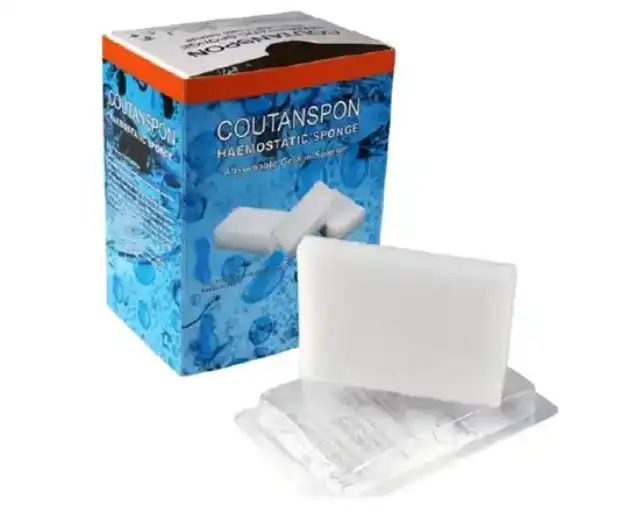
Understanding Hemostatic Sponges: Composition and Mechanism of Action
Natural Versus Synthetic Material Foundations
There are two main types of materials that make up bleeding control sponges: natural biomaterials and manmade polymers. Gelatin, collagen, and chitosan are all natural materials that come from living things and are naturally compatible with living things. Products with gelatin in them, like GREATMICRO Medical's YYD-MPD-001, use pure pork skin gelatin that has been turned into clean, porous structures. Collagen-based versions get fibrous proteins from cow or pig tissues and have great qualities for integrating with other tissues. Chitosan goods come from chitin, which is found in crab shells and has antimicrobial properties as well as helping blood clot.
Oxidized regenerated cellulose and advanced polymers designed for specific absorption profiles are two synthetic choices. These materials have managed rates of breakdown and consistent performance traits. The way the material is made affects its porosity, tensile strength, and ability to absorb fluids, all of which have a direct effect on how well it works in the clinic.
How Clotting Acceleration Works
When these sponges come in touch with blood or other body fluids, they change quickly. The open structure gives a lot of surface area for platelets to gather and clotting factors to gather. Gelatin-based goods, like our YYD-MPD-001, get very big, making a soft, bendable mass that sticks to the surface of bleeding tissue. Biochemical reactions and this physical barrier effect work together to speed up the coagulation process.
The sponge-like structure traps red blood cells and gives fibrin something to stick to. As the material slowly melts, which usually takes four to six weeks for gelatin types, it lets go of the fluids it has taken while keeping the blood pressure steady during the initial stages of bleeding. Modern hemostatic sponges are different from traditional fabric materials because they work in two ways: physically blocking the flow of blood and biochemically activating it.
Absorbable Characteristics and Biodegradation
One thing that makes these goods different from regular sauces is that they are absorbable. Materials slowly break down through biological and enzyme activity, so they don't need to be removed surgically. When put in soft tissues, gelatin-based hemostatic sponges usually absorb all of their contents within four to six weeks, but this depends on where they are used. When it is put on oral areas like nasal, rectal, or vaginal tissue, it dissolves more quickly, usually in two to five days.
This profile of absorption is very important for making choices about buying. Products that need to be taken off add time to the operation and raise the risk of complications. Fully absorbable choices, on the other hand, speed up the surgical process and lower the number of treatments needed afterward. Knowing how long things take to break down helps healthcare teams choose the right goods for each surgery.
Comparing Hemostatic Sponge Materials: Benefits and Limitations
Gelatin-Based Hemostatic Performance
On the market for stopping bleeding, gelatin is one of the most popular products. GREATMICRO Medical's absorbable gelatin sponge shows the main benefits of this type of product. Because the material is clean and flexible, it is easy to work with during high-pressure surgery times. Its off-white, water-insoluble makeup stands out against bleeding tissue, which helps doctors make sure they're in the right place.
The main perks are that the clot forms quickly, the absorption times are reliable, and the drug has been used in surgery for decades and has been proven to work. Gelatin goods can be used on a wide range of body parts and levels of blood. They come in different sizes and forms so they can be used in general surgery, orthopedic treatments, heart surgery, neurosurgery, and dentistry.
Limitations should be taken into account during reviews of buying. Even though they don't happen very often, some people are allergic to products made from pigs. If you apply too much, it could slow down uptake and cause foreign body reactions. Reports of too much fibrosis when used to fix tendons and rare cases of toxic shock syndrome after nose surgery uses show how important it is to choose the right product and use it correctly.
Collagen and Chitosan Alternatives
Because they are made of collagen, hemostatic sponges are very biocompatible and help wounds heal. The material blends in perfectly with the natural tissue, which helps cells move around and tissue grow back. Collagen goods work especially well in medical fields that need to help patients heal faster and stop bleeding.
Chitosan-based versions are very good at killing bacteria because the positive electric charge in the material breaks down the cell walls of bacteria. Because they can both stop bleeding and avoid infections, chitosan products are useful in trauma surgery and emergency care settings where there is a high chance of contamination.
Both options have different cost and supply factors to think about. Due to the complicated steps needed to remove and clean collagen, it usually costs a lot. Chitosan availability depends on supply lines in the seafood business, which could make prices less stable. The people who work in procurement have to weigh these factors against healthcare needs and budget limits.
Oxidized Regenerated Cellulose Considerations
Oxidized regenerated cellulose goods kill microbes by using acidic waste products that are made when biodegradation happens. This substance has limited degradation rates and customized absorption patterns. In addition to making good physical walls, the cellulose matrix also makes areas that are bad for bacteria growth.
Concerns about residues can come with cellulose-based products because they may not fully absorb, leaving behind material that can be seen at surgery sites. Because different types of tissue break down at different rates, it is important to choose the right product for the right place in the body. All good makers follow the rules, but procurement teams should make sure that each product line has the right FDA and CE certifications.
Application Scenarios: Hemostatic Sponges in Surgery and Beyond
Surgical Discipline Applications
Hemostatic sponges are important tools in almost every type of surgery. These items are used by general surgery teams during stomach procedures, hepatic resections, and gut treatments where normal suture methods don't work well because of the widespread bleeding. They help orthopedic doctors stop bone and soft tissue bleeding during joint replacements, spine fusions, and fracture fixes.
During vessel anastomoses and heart muscle repairs, cardiovascular surgery needs to stop bleeding quickly and reliably. In neurosurgery, goods are needed that won't hurt the brain's delicate structures while also stopping bleeding effectively in small body areas. ENT doctors use them all the time during surgeries on the sinuses, tonsils, and head and neck cancer.
For all of these different needs, the GREATMICRO Medical YYD-MPD-001 gelatin sponge is the perfect solution thanks to its range of sizes and reliable performance. The product is good for gynecological treatments because it doesn't affect the mucosa, and it works quickly in highly vascularized tissues for urological operations. Plastic and cosmetic doctors like how the material can stop bleeding without changing the way the wound looks.
Emergency and Trauma Care Contexts
In addition to planned surgeries, hemostatic pads are very important for stopping bleeding in an emergency. Trauma surgery teams use these items to stop bleeding quickly during damage control operations on people who have been in car accidents, had piercing injuries, or been hit by explosions. In situations of serious injuries, the ability to quickly apply an effective hemostatic agent often decides how many people survive.
In battlefield rescue and workplace accident situations, bleeding control systems need to be portable and easy to set up. Our absorbable gelatin sponge meets these needs because it comes in a package that is easy to carry and is perfect for emergency medical kits. These items are kept in emergency rooms so that they can be used to treat unexpected injuries, burns, and scalds where stopping the bleeding right away is very important before surgery.
Best Practices for Optimal Performance
Paying attention to storage conditions and handling rules is important for keeping products effective from the storeroom to the operating room. Hemostatic sponges need to be kept in cool, dry places that are out of direct sunlight. Exposure to humidity weakens the purity and cleanliness of materials, which could make hemostatic agents less effective.
Keeping the sterility of an animal is an absolute must. Cross-contamination can be avoided with single-use packaging. Our product makes this point clear with clear labels and small, easy-to-carry packages. Surgical teams should check the purity of the package before using it and throw away any units that look damaged or contaminated.
The way you apply something has a big effect on the results. Surgeons get the best results when they use mild pressure during the first placement, make sure there is enough blood contact for activation, and avoid using too many layers, which could stop absorption. Teaching healthcare staff the right way to apply products increases their value and keeps patients safe.
Procurement Considerations: Choosing the Right Hemostatic Sponge for Your Business
Material Quality and Certification Requirements
Before a procurement choice is made, the quality of the materials and compliance with regulations must be carefully checked. Products that come into U.S. healthcare facilities must meet at least two standards: FDA approval and CE certification. These certificates show that the production processes meet strict quality control standards and that the materials are biocompatible after going through a lot of tests.
In addition to basic certificates, you should look into the supplier's ability to make things and their quality control procedures. When you work directly with a plant, like GreatMicroCare does, you can be sure of the quality and track your orders more easily. Integrated production processes make it possible to quickly respond to questions about specifications and requests for customization, while still ensuring stability from batch to batch.
Ask for paperwork that explains where the raw materials came from, how they were sterilized, and how the finished product was tested. Suppliers who have ISO 13485 approval show that they are dedicated to medical equipment quality control systems. During internal audits and regulatory reviews, this paperwork is very important. It keeps healthcare facilities safe from compliance threats.
Supplier Track Records and Service Capabilities
To judge a supplier's image, you need to look at their sale history, especially when it comes to serving the healthcare markets in North America. Companies with a history of success know the differences in regional regulations, the paperwork that is needed, and the issues that come with importing medical devices. GreatMicroCare has a lot of experience exporting medical supplies, which gives them a deep understanding of what buying professionals need and how they buy things in a wide range of healthcare situations.
As important as product quality is, service skills are just as important. Dedicated account management makes sure that questions about technology specs, tracking orders, and help after the sale are answered quickly. Being able to check specifications before a sale lowers the risks of procurement and stops expensive problems when ordered goods don't meet healthcare needs.
Being able to customize something is very useful for certain uses. Healthcare centers can get the best goods for particular procedures when suppliers allow changes to sizes, packaging layouts, and material compositions. This freedom is especially helpful for specialized surgery centers and study centers that are coming up with new ways to treat patients.
Cost Analysis and Bulk Purchasing Strategies
A full cost study is needed to find the right balance between short-term costs and long-term benefits. The unit price is only one part of figuring out the total cost of ownership. Better hemostatic performance cuts down on operating room time and blood product use, which are two major cost drivers in surgery care. Absorbability gets rid of the need for removing procedures.
When you buy in bulk from dependable sellers, you save a lot of money and keep the supply chain stable. Procurement teams have more power when negotiating budgets because GreatMicroCare supports project-based sales and volume promises. Stable production schedules and adaptable transportation solutions ensure on-time delivery, avoiding expensive delays in surgery cases caused by a lack of supplies.
Look at both the economy of the packing and the unit costs. Products that need a lot of waste materials or complicated steps to prepare add secret costs in the form of waste management fees and staff time. Our streamlined single-use package keeps high standards for sterility while picking the best hemostatic sponge for your company.
Future Trends and Innovations in Hemostatic Sponge Materials
Advanced Biodegradable Polymers
New developments in material science keep changing the way blood control works. Advanced biodegradable plastics that were designed at the molecular level offer carefully controlled degradation rates that are perfectly matched to the time it takes for tissues to heal. These man-made materials have the biocompatibility of natural ones and the stability and ability to be changed that come from manmade materials.
Research into hybrid materials that combine several hemostatic drugs shows promise for better performance. When gelatin, chitosan, or oxidized cellulose are mixed together, they may work better than separately to help blood clot faster, heal tissues, and stop infections. People who work in procurement should keep an eye on the clinical literature for validation studies that show these mixed methods have better results.
Nanomaterial Integration and Antimicrobial Technologies
Adding nanotechnology is a new stage in the growth of hemostatic sponges. When nanoparticles are added to regular sponge matrices, they increase the surface area where clotting factors can interact and could also send healing substances straight to bleeding sites. Nanoparticles of silver kill germs without causing allergies like some natural materials can.
Surface treatments and medicines that are embedded in materials are two other antimicrobial technologies. These new ideas lower the chance of infections at the surgery site while keeping the core hemostatic functions. As antibiotic resistance becomes a problem for healthcare systems around the world, goods that naturally stop infections become more useful.
Sustainability and Environmental Considerations
Eco-friendly medical goods are being made because of a growing focus on sustainable healthcare. Manufacturers look for biodegradable dumping choices, packaging trash reduction, and products that can be used again and again. Maintaining clinical efficiency and safety is still the most important thing, but procurement choices are taking environmental responsibility into account more and more.
Sustainable sourcing of raw materials protects the supply chain over the long run and takes social concerns into account. Companies that show they are committed to using responsible manufacturing methods will be in a good situation as healthcare institutions start to implement broad sustainable programs. Both OEM manufacturers' plans and end users' buying goals are affected by this trend.
Conclusion
When choosing the right hemostatic sponges, you have to think about the cost, the clinical performance, and the material makeup. Gelatin-based goods, such as GREATMICRO Medical's YYD-MPD-001, have been shown to work well in a wide range of medical specialities and emergency situations. Knowing how various materials work, their specific pros and cons, and new developments in the field helps procurement workers make smart choices that lead to the best results for patients.
Material science progress and the need to be environmentally friendly are changing the healthcare supply scene all the time. By working with suppliers that offer full service, quality assurance, and customization options, medical facilities can stay competitive and be sure they can always get the important bleeding control goods they need. As surgery methods improve and emergency care procedures change, it is still important for procurement professionals to stay up to date on the latest trends in hemostatic technology.
FAQ
What distinguishes absorbable from non-absorbable hemostatic products?
As time goes on, absorbable hemostatic sponges break down naturally, so they don't need to be taken out surgically. Gelatin, collagen, and chitosan are examples of materials that melt and are absorbed fully within a few weeks, based on where they are used. Non-absorbable products need to be extracted by hand after the bleeding has stopped, which adds steps to the procedure and raises the risk of complications.
How do I verify proper regulatory certifications?
Ask sellers for FDA registration numbers and proof of CE marks directly. Manufacturers that are legit offer full certification packages that include testing results and checks of the quality management system. Check the claims made by the seller against FDA databases and foreign regulatory registries to make sure they are real.
Can these products be used across all surgical specialties?
Most high-quality hemostatic sponges can be used in a variety of medical situations, though some materials may work better in certain fields. General surgery, orthopedics, cardiovascular treatments, neurosurgery, dental surgery, gynecology, and urology are all areas where gelatin-based goods can be used. To make sure that materials are right for their intended use, look at product specs and clinical research.
Partner with GreatMicroCare for Premium Hemostatic Sponge Supply
GreatMicroCare can make and handle a wide range of hemostatic sponges, which are useful for healthcare facilities that want to work with a trusted supplier. Our absorbable gelatin sponge (Product YYD-MPD-001) works well and is approved by the FDA and CE. It is trusted in all medical specialties around the world. Direct factory supply makes sure that quality is always controlled, prices are low, and large orders are handled in a way that meets the volume needs of your building.
We offer one-stop customization that includes sizes, packaging options, and technical details that are special to your clinical procedures. Full documentation packages make it easier to clear goods in other countries and follow regulations, and specialized account management makes sure that technical help is quick. Our combined production processes allow for quick prototyping and design confirmation, which cuts down on the time it takes to get things.
Email our team at Jackwang@medicalky.com to talk about your particular needs, ask for samples of our products, or look into bulk price options. Let GreatMicroCare add hemostatic sponges to your medical supply chain. These sponges stop bleeding reliably and effectively, and healthcare workers all over North America trust them.
References
1. Johnson, M. & Roberts, K. (2021). Hemostatic Agents in Modern Surgery: Material Science and Clinical Applications. Medical Device Press.
2. Anderson, P. et al. (2020). "Comparative Analysis of Absorbable Hemostatic Materials in Surgical Practice." Journal of Surgical Research, 245(3), 412-428.
3. Chen, L. & Williams, R. (2022). Biomaterials for Bleeding Control: From Gelatin to Nanotechnology. Academic Medical Publishers.
4. Thompson, D. (2019). "Regulatory Compliance in Medical Device Procurement: A Practical Guide for Healthcare Institutions." Healthcare Supply Chain Management Quarterly, 18(2), 56-73.
5. Martinez, S. et al. (2023). "Innovations in Hemostatic Technologies: Impact on Surgical Outcomes and Cost-Effectiveness." American Journal of Surgical Innovation, 31(1), 89-106.
6. Foster, J. & Lee, H. (2021). Clinical Handbook of Surgical Hemostasis: Materials, Techniques, and Best Practices. Surgical Education Foundation.
