
Where to Buy Side Rail in Mumbai from Chinese Exporters
2026-09-08 21:25:20
If you are seeking trustworthy side rail suppliers in Mumbai, then Chinese exporters provide interesting benefits in terms of quality, customisation and pricing. Healthcare establishments in Mumbai are increasingly looking to Chinese producers for medical-grade bed rails meeting international safety requirements. Businesses may get certified aluminium alloy side rails via direct manufacturing relationships, which provide full warranties, low pricing and fast technical assistance. This kind of buying removes the intermediaries, maintains uniform quality checks, and offers flexible customisation possibilities for hospital beds, aged care homes and specific medical uses in Mumbai’s healthcare industry.
Finding Reliable Chinese Suppliers for Mumbai Healthcare Procurement
Mumbai’s healthcare purchasers are taking advantage of China’s established medical equipment manufacturing ecosystem, which blends technical innovation with cost-effective manufacturing capabilities. Finding the ideal manufacturing partner needs a comprehensive review of qualifications, production capabilities, and service pledges.
Critical Supplier Evaluation Criteria
When selecting reputable Chinese exporters, customers should choose manufacturers with an extensive certification portfolio that demonstrates compliance with ISO quality management systems, CE certifications of conformity, and applicable FDA registrations. Production capacity shows if providers can fulfill large orders and project-based needs without delaying delivery times. Customisation possibilities are important when requirements need dimension tweaks, accessory alterations, or Safety Side Guard material replacements to meet certain bed models. Logistics expertise, including familiarity with customs processes, paperwork, and coordination of shipments to Mumbai ports. GreatMicroCare is the embodiment of these skills. An integrated design, manufacturing and sales operation means it can react swiftly to design changes, prototype requests and technical verification requirements.
Material Innovation and Technology Trends
Best manufacturers are always upgrading their product lines via the utilisation of advances in material science and engineering. Modern medical barriers are made of aluminium alloy, which has better strength-to-weight ratios than steel and is resistant to corrosion in sanitised hospital conditions. Six high-strength bar constructions uniformly distribute load stresses over the protective barrier, supporting up to 50 kg maximum capacity while retaining structural integrity. The self-locking lift mechanisms prevent unintentional lowering, in accordance with fall prevention measures as required by healthcare safety regulations. What do these technical advancements translate to in practice? Lightweight construction makes it easier for carers to use, corrosion-resistant surfaces can endure several rounds of sanitisation, and easy-clean designs help with infection control standards that are critical in hospital settings.
Verification Methods for Supplier Trustworthiness
Smart procurement techniques involve many verification stages before agreeing to major buys. Factory audits, on-site or by third-party inspection services, verify the production capabilities, quality control procedures, and working environment. During manufacture and pre-shipment, independent third-party inspections are carried out to ensure the items provided are in accordance with the requested specifications. By testing with sample orders, healthcare institutions may verify product quality, compatibility with current equipment, and simplicity of installation before growing to full procurement levels. These verification procedures safeguard customers against substandard items and foster trust in the dependability of suppliers. Manufacturers with prior export experience understand the verification requirements and make inspections easy to grasp. They recognise that steps that develop confidence are good for long-term commercial ties.
Comparison Guide: Selecting Optimal Barrier Solutions for Healthcare Needs
Healthcare applications need particular barrier arrangements. Knowing the differences allows procurement teams to define items that meet clinical needs and financial considerations.
Adjustable Versus Fixed Rail Systems
Adjustable protective barriers provide for operational flexibility appropriate for a variety of patient demographics and treatment methods. Healthcare workers may alter height positions, lock setups at various levels, and adjust posture as patient circumstances vary. This flexibility does mean somewhat higher upfront expenses, but also gives operational variety, which is useful in multi-purpose care units. Fixed systems are economical for specialised, long-term care contexts when protection levels are stable. These permanent solutions decrease mechanical complexity, which means less maintenance and a longer service life. The choice of adjustable vs fixed systems depends on the kind of facility: acute care hospitals often favour adjustable systems because they are more adaptable, but nursing homes commonly choose permanent installations because of their longevity and lower total cost of ownership.
Material Comparison: Aluminum Alloy Versus Traditional Options
Material selection is very important to product performance, maintenance, and life cycle costs. Aluminium alloy protection barriers provide significant benefits over steel and timber counterparts. The reduced weight makes it easier for nurses to lift and lower the barriers many times throughout a shift, easing physical strain and enhancing workflow efficiency. Corrosion resistance is vital in health care settings because caustic disinfectants are used regularly for sanitisation, which gradually deteriorates steel surfaces. Aluminium is protected from chemical attack by the natural oxide coating and will retain its structural integrity and appearance for long periods of operation. Maintenance is easy, and operating expenses are reduced since aluminium doesn’t need rust treatment, painting, or protective coatings. Safety performance is good. Properly constructed aluminium structures have the same or better strength standards than steel, and smooth surface finishing reduces the danger of harm from sharp edges.
Application-Specific Requirements Across Healthcare Settings
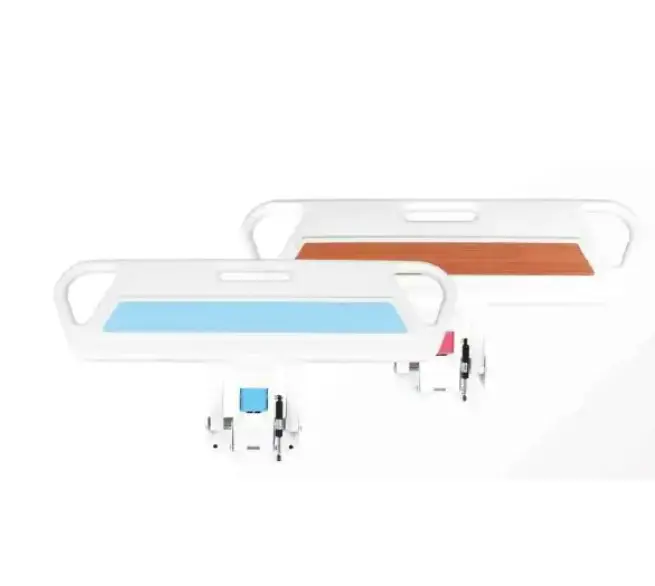
Hospital bed barriers are designed with infection prevention in mind, providing smooth surfaces that reduce the ability of germs to harbour and resist rigorous cleaning methods. Compatibility with electronic bed controls, IV poles, and monitoring devices affects design combinations. The elderly care bed barriers are easy to use by people with little strength. They include simple release mechanisms and cushioned surfaces. The height parameters accommodate the seating posture of the senior users and avoid the possibility of being trapped while retaining fall protection. Care beds for bariatric patients or paediatric populations need customised dimensions and weight capabilities that go beyond normal standards. The model GreatMicroCare KY-PA05-DS076 caters to these different needs with customisable sticker colours (blue, green or grainy finishes), removable components that adapt to different bed configurations, and certified compliance to meet the needs of a variety of applications, including general hospitals, speciality care centers and community health facilities.
Step-by-Step Procurement Process From Chinese Exporters to Mumbai
International procurement effectiveness demands careful preparation of technical requirements, logistical coordination, and supplier relationship management.
Specifying Custom Requirements
First, jot down the specific measurement requirements, measuring current bed frames and headboard/footboard setups to check compatibility with Safety Side Guard. Material requirements should correspond to medical-grade standards for aluminium alloy compositions and surface treatments. Certification criteria vary depending on the target market and the accreditation of the facility. Specify required paperwork such as CE certifications, evidence of quality management according to ISO, material safety data sheets, etc. Installation considerations include mounting hardware compatibility, tool requirements, and whether professional installation assistance is necessary. GreatMicroCare team has dedicated Account Management to respond instantly to questions and concerns related to the technical specifications, enabling customers to convert clinical requirements into production specifications, to avoid expensive mismatches between requested and delivered goods.
Shipping and Customs Coordination
Sea freight is still the cheapest mode for large shipments, and travel durations from the Chinese industrial hubs to Mumbai are generally about 15-25 days depending on route and customs handling. Air shipments may cut delivery windows down to 5-7 days, albeit at a much higher cost per item. This makes air shipping a viable alternative for urgent replacements or small sample purchases. Understanding the Mumbai customs requirements might help avoid delays, since the import of medical equipment requires commercial invoices, packing lists, certificates of origin, and required safety certifications. The right experienced exporters can provide thorough technical documentation and customs paperwork to aid seamless clearance, which reduces storage costs and expedites delivery of products to health care institutions. GreatMicroCare’s expertise in the area of medical exports results in effective coordination considering the needs of the target country, guaranteeing compliance with local medical legislation and limiting bureaucratic hassles.
Warranty and After-Sales Considerations
Warranty coverage is a great sign of the manufacturer’s confidence in their product, and investing in a good warranty might save you money down the road. The GreatMicroCare Standard Six-Pole Aluminium Alloy Side Rails are covered by a 5-year guarantee against manufacturing defects and structural failures under normal circumstances of operation. After-sales service includes technical help for installation concerns, maintenance advice for the facility engineering teams, and availability of replacement parts for damaged components. Dedicated account management means continuity of communication with single points of contact who know the facility-specific setups and purchasing history. These service agreements minimise downtime when problems develop to meet the operational continuity needs of healthcare institutions where equipment failures may directly affect patient safety and quality of treatment.
Ensuring Effective Installation and Ongoing Maintenance
Proper deployment and maintenance prolongs the life of the protective barrier and maintains safety performance throughout years of clinical service.
Installation Best Practices
The installation process is started by inspecting the bed frame to ensure that it is solid and compatible with the mounting points. Only after this examination are the protective barriers attached. Generally, the equipment needed is common socket sets, torque wrenches to correctly torque fasteners, and measurement instruments to verify alignment criteria. Safety requirements ensure that fasteners are tight and do not come free during usage. Locking mechanisms are tested before being used on the patient. Clearances that might lead to entrapment dangers are checked. Training suggestions stress the need for effective operating methods of the nursing personnel, including release procedures, height adjustment protocols, and visual assessment routines for wear indications. For facilities lacking technical assistance on site, manufacturers can provide installation assistance, and experienced Chinese exporters will have detailed installation manuals and instructional videos and can even provide remote technical support, so that everything is done properly, even if no one from the factory is on site.
Maintenance Protocols for Extended Service Life
Routine cleaning preserves the integrity of materials and infection control requirements. Aluminium Alloy Surfaces Can Absorb Up To Hospital Grade Disinfectants But Must Be Rinsed To Prevent Residue Build Up That Can Damage Moving Parts. Lubricating mechanical joints, locks, and height adjustment parts will help avoid binding and help things run smoothly. Quarterly inspections should include documentation of the state of the structure, tightness of fasteners, and wear on the surface. Checklists should include the operation of locking mechanisms, stability of the frame, and integrity of connecting points. Worn parts must be replaced in a timely manner to avoid progressive failure. Reputable suppliers will have stockpiles of parts for their equipment that support them throughout the warranty term and beyond. These proactive maintenance techniques maximise return on procurement expenditures, prolonging service life far beyond warranty terms, while preserving the safety performance that protects vulnerable patients.
Mumbai Healthcare Success Stories
Several hospitals in Mumbai have successfully adopted Chinese-made protective barriers, ratifying the supplier’s dependability and the product’s quality. A large general hospital in central Mumbai has fitted 120 beds with aluminium alloy barriers tailored to the specific size of its specialised care departments. The project was delivered within planned maintenance windows by installation teams, and nursing personnel noted better functioning than earlier steel versions. Easy release mechanisms were chosen as the means of opening barriers for an aged care facility in suburban Mumbai to accommodate residents with low hand strength, resulting in more resident freedom and less need for carer help. These real-life examples show how intentional product selection and supplier engagement provide significant gains in care quality, operational efficiency and safety outcomes across a range of healthcare environments.
Conclusion
Mumbai healthcare institutions are finding strong value in sourcing medical-grade protective bed barriers from Chinese exporters, driven by reasonable cost, innovative materials, and extensive customisation options. To be successful, procurement must include evaluation of supplier certification, manufacturing capacity, and service commitments, and specification of needs appropriate to clinical applications. The GreatMicroCare Standard Six-Pole Aluminium Alloy Side Rails embody current manufacturing excellence in lightweight aluminium structure, self-locking safety features, and versatile customisation within certified regulatory frameworks. Healthcare buyers in Mumbai are able to team up with skilled Chinese manufacturers that provide comprehensive design, manufacturing, and logistics coordination to get hold of quality equipment that improves patient safety while lowering procurement costs.
FAQ
1. What certifications should Chinese-manufactured medical barriers include?
Quality manufacturers provide ISO 13485 quality management certification, CE marking demonstrating European conformity, and documentation supporting compliance with destination market regulations. Request certificates specific to ordered products rather than generic company qualifications.
2. How long does shipping from China to Mumbai typically require?
Sea freight requires 15-25 days port-to-port, plus customs clearance and inland delivery, adding 3-7 days. Air shipments reduce transit to 5-7 days but increase costs significantly. Plan procurement timelines accounting for these delivery windows plus reasonable buffer periods.
3. Can Chinese exporters customize dimensions for specific bed models?
Reputable manufacturers offer extensive customization covering dimensional adjustments, mounting configurations, and accessory modifications. Provide detailed specifications including bed frame measurements, headboard/footboard dimensions, and compatibility requirements. Experienced suppliers like GreatMicroCare maintain flexible production systems accommodating custom orders without excessive minimum quantities or lead time penalties.
Partner With GreatMicroCare as Your Trusted Side Rail Supplier
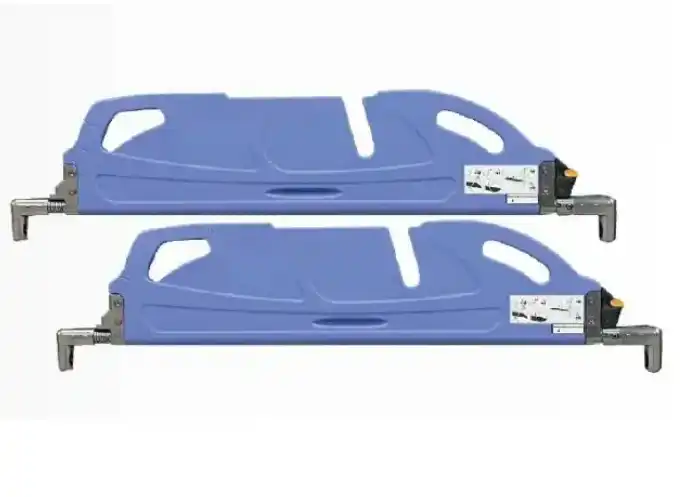
GreatMicroCare delivers exceptional value to Mumbai healthcare facilities seeking certified aluminum alloy protective barriers manufactured to international standards. Our Standard Six-Pole Aluminum Alloy Side Rails (Model KY-PA05-DS076) combine high-strength construction, self-locking safety mechanisms, and lightweight operation within a compact 1480*360mm footprint supporting a 50KGS maximum load capacity. We offer direct factory pricing eliminating distributor markups, comprehensive 5-year warranties reflecting manufacturing confidence, and flexible customization adapting dimensions, accessories, and finishes to your specific requirements. Our integrated design, production, and sales operations ensure rapid responses to technical questions, prototype requests, and design modifications throughout your procurement journey. Contact our dedicated team at Jackwang@medicalky.com to discuss your facility's requirements, request detailed specifications, and receive competitive quotations for your next medical equipment project.
References
1. Healthcare Safety Standards Institute. "International Guidelines for Medical Bed Rail Safety and Compliance." Medical Equipment Safety Journal, 2023.
2. Mumbai Medical Procurement Association. "Best Practices for International Healthcare Equipment Sourcing." Indian Healthcare Management Review, 2024.
3. Aluminum Association Medical Division. "Material Performance Standards for Clinical Environment Applications." Medical Materials Technology Quarterly, 2023.
4. International Trade Administration. "Healthcare Equipment Import Procedures and Documentation Requirements for Indian Markets." Global Medical Trade Report, 2024.
5. Clinical Engineering Society of India. "Installation and Maintenance Protocols for Patient Safety Equipment in Healthcare Facilities." Journal of Clinical Engineering, 2023.
6. Asia-Pacific Medical Manufacturing Coalition. "Comparative Analysis of Medical Device Manufacturing Excellence Across Global Supply Chains." International Medical Manufacturing Review, 2024.
