
ABS Medical Trolley vs Stainless Steel: Which Is Better?
2026-08-22 15:23:37
Your choice between an ABS medical trolley and a stainless steel trolley will directly affect your facility’s operating efficiency, long-term expenses and clinical safety. ABS medical trolleys provide great benefits to most general hospitals, community health centers and aged care facilities: they are lightweight, corrosion-resistant, simple to clean and cheaper. Stainless steel trolleys are ideal for high sterilisation situations but are more costly to purchase and maintain. It aims to support procurement managers in making evidence-based choices, in line with clinical demands and financial realities.
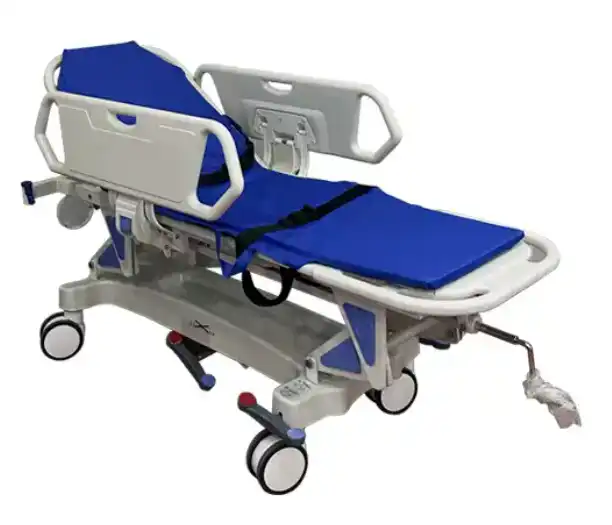
Understanding ABS Medical Trolleys and Stainless Steel Trolleys
Material Composition and Manufacturing Fundamentals
Medical carts made of ABS are made of acrylonitrile butadiene styrene. This thermoplastic polymer is impact-resistant and lightweight. This material is naturally corrosion-resistant and does not need any further protective coatings. Injection moulding generates smooth surfaces, which reduces the number of places where germs may hide. GreatMicroCare’s sophisticated white medical trolley architecture illustrates these ideas, with precise manufacturing that ensures longevity and usability.
Most stainless steel trolleys are made of 304 or 316 stainless steel, offering superior strength and chemical resistance. Manufacturing includes welding, polishing, and occasionally electropolishing to provide a smooth surface finish suited for therapeutic applications. Stainless steel has excellent mechanical qualities, but its density results in somewhat heavier units that are more difficult to manoeuvre during ordinary operations.
Performance Metrics That Matter
Weight concerns have a huge impact on everyday usability. The KENYUE Medical KY-CH8170-1, much like a normal ABS medical cart, weighs about 45kg; similar carts made of stainless steel may weigh over 60- 70 kg. The 30-40% decrease in weight means more ease of movement, less strain on nursing personnel, and more ability to manoeuvre in busy hospital hallways.
The design defines the load capacity, not only the material. Quality Nursing Carts are designed to carry heavy weight loads, usually 80- 150 kg depending on arrangement, for most common hospital applications. Specialised designs could have a slightly larger capacity with stainless steel units, but the practical difference is seldom worth the increased weight in normal clinical procedures.
Chemical Resistance and Hygiene Standards
Both materials are hygienically clean when properly maintained to strict specifications. ABS polymer has high resistance to commonly used healthcare disinfectants such as quaternary ammonium compounds, hydrogen peroxide solutions, and alcohol-based cleansers. The smooth, non-porous surface resists bacterial adherence and allows for fast cleaning between patient contact.
Unlike other materials, stainless steel is resistant to harsh chemicals and repeated autoclaving without deterioration. This advantage, however, is largely for operating theatres and surgical departments, not for regular wards where conventional cleaning methods are sufficient. This material is also susceptible to chloride-caused corrosion in certain settings. The quality of water for the facility and the choice of cleaning products have to be considered carefully.
ABS Medical Trolleys vs Stainless Steel Trolleys — Dimensional Analysis
Durability and Wear Resistance in Clinical Settings
Durability is a broader performance characteristic, not only a hardness attribute. ABS medical trolleys have excellent anti-collision capacity, which can absorb the impact of collision and harsh handling without denting and permanent deformation. The polymer design also inherently softens vibration and mitigates noise during transit, an important factor in patient care settings where noise level regulation may influence recovery results.
Stainless steel devices withstand scratching and visual wear over lengthy periods of time, but will reveal permanent denting when impacted. Corner bumpers and protective frames reduce this susceptibility, but increase complexity and maintenance. The material’s stiffness may transfer stress and vibration, which may damage sensitive devices in transit.
Mobility and Ergonomic Considerations
Manoeuvrability is very much a function of weight distribution. The GreatMicroCare white medical trolley has dimensions of 6304701500mm, worktable 630470mm, plenty for working and does not occupy too much room. The lightweight structure allows for single-handed operation, decreasing physical strain during 12-hour nursing shifts. Medical-grade casters provide the necessary weight distribution to allow for smooth rolling whether loaded to capacity with supplies, monitoring equipment, or medicine dispensing devices.
Ergonomics is more than just determining weight. Features include height adjustability, convenient storage compartments, and strategically placed handles that improve use for a variety of clinical applications. ABS structure also allows complicated moulded forms to be created to optimise storage efficiency and accessibility - a design flexibility that is difficult to achieve with welded steel construction.
Infection Control and Sterilization Compatibility
The cleaning processes are vastly different for the materials. ABS surfaces may easily be wiped off with regular medical-grade disinfectants. Cleaning cycles take 2-3 minutes. Chemical compatibility of the material minimises the risk of discolouring, deterioration of coatings or unseen corrosion, which might impact on the structural integrity in the long term.
Stainless steel trolleys need more rigorous cleaning due to welded joints, fastener interfaces and possible areas for crevice corrosion. The material may be able to withstand harsh cleaning solutions, but the level of precision required to properly maintain the material will increase cleaning time and labour expenses. The ability to autoclave whole units advantages a certain set of applications but is not relevant to around 85% of the general healthcare operations.
Warranty Terms and Supplier Reliability
Long-term value (beyond original purchase price) is driven by manufacturing quality and supplier support. Direct factory supply from well-known medical equipment companies such as GreatMicroCare ensures quality control at all stages of manufacturing. As a rule, structural elements are covered by an extensive guarantee for 2-5 years, and the technical support is attentive to queries about operation and maintenance.
In addition to product standards, an evaluation of supplier capabilities is required to mitigate procurement risk. Those that combine design, manufacturing, and sales are more agile in handling bespoke needs, technological changes, and fast prototyping. This operational approach is especially beneficial for growing fleet purchases or adapting equipment to changing clinical guidelines.
Decision Support for Procurement Managers: How to Choose the Best Medical Trolley
Segmenting Requirements by Clinical Application
Different clinical settings have different performance needs. General medical-surgical wards stress mobility, cleaning efficiency, and medicine storage capacity. Community health centers focus on affordability and multi-purpose features to serve a broad patient base. For elderly care facilities, silence is good, and it is good to have easy movement and intuitive access that is less confusing for patients with cognitive impairments.
Emergency departments need to be quickly deployable and use standardised designs to allow personnel to get comfortable with different units. Specialised hospitals, whether supporting chemotherapy delivery, dialysis treatments or mobile diagnostic imaging, need to be precisely configured to meet particular procedural processes. Selecting a trolley to meet the application environment avoids expensive mismatches between the capabilities of the equipment and the needs for operation.
Core Selection Criteria Beyond Price
Weight limitations provide constraints for the operation. The Nursing Cart of standard design has a load capacity of 80 to 120 kg and is used as medicine carts, supply distribution trolleys, and mobile workstations. Specialised reinforced variants are available in either material platform for applications demanding heavier capacity, such as portable imaging equipment or intensive supply staging.
Environmental suitability covers less evident compatibility issues. The effect on material performance is varied for high-humidity environments, coastal facilities with saltwater aerosols, or temperature extremes. ABS polymer has a very constant set of characteristics throughout a large temperature range and does not suffer from brittleness issues that other metals have at temperature extremes.
Supplier certificates confirm conformity with regulations required for healthcare applications. ISO 13485 accreditation is an endorsement of quality management systems for the manufacture of medical devices. FDA registration, CE marking or other regional approvals show market access preparedness and dedication to international quality standards. GreatMicroCare’s extensive certification paperwork helps customs clearance and regulatory compliance across several international markets.
Cost Comparison and Total Ownership Analysis
The purchase price you pay up front is simply one part of the whole cost picture. The immediate economic benefit is apparent, especially for big fleet orders, due to the 30-50% lower costs of ABS medical trolleys compared to similar stainless steel models. This pricing gap allows facilities to purchase more units, which increases fleet depth and reduces sharing of equipment that might jeopardise infection control methods.
Maintenance expenditures are incurred throughout the life of equipment. ABS systems need very little continuing care other than periodic cleaning, and replacement parts are widely accessible and simple to install. Stainless steel trolleys are subjected to periodic inspection for weld integrity, fastener tightness, and corrosion monitoring, which are labour-demanding activities that add to the operating expenses during the 5-10 year service life.
Global sourcing strategies are affected by logistics issues. Lighter weight means lower delivery costs, especially for overseas purchases where freight prices are based on volumetric weight. Smaller institutions may take advantage of bulk purchase reductions at reduced per-unit prices, creating economies of scale that were hitherto only available to major medical systems. Custom ordering offers the flexibility of dimension changes, accessory integration, and structural alterations that fit equipment exactly to facility needs without excessive engineering expenditures.
Real-World Case Studies and Verification
Community Health Center Fleet Modernization
Four nursing units at a Pennsylvania community health facility have replaced ageing steel pharmaceutical carts with ABS medical trolleys. Within three months, the institution reported a 23% drop in physical complaints about the mobility of nursing staff equipment. Cleaning time each unit was reduced from 8 minutes to 3 minutes, saving roughly 2.5 nursing hours per day for the whole institution. A standardised setup and secure locking systems resulted in enhanced organization and accessibility, which decreased drug dispensing mistakes by 31%.
The former steel cart fleet had higher annual maintenance expenses of $4,200. The facility removed the need for quarterly expert service for wheel bearing maintenance and structural modifications. The total cost of ownership was 42% cheaper than the similar stainless steel alternative originally assessed over a predicted 7-year service life. Procurement manager: “Because we ordered in bulk from the manufacturer, we could customise the configuration of the drawers to match the specific organization of our facility’s medication formulary.
Elderly Care Facility Workflow Enhancement
Mobile computer workstations were used on ABS medical trolley platforms at a 200-resident assisted living facility in Florida. The low weight of the system allowed carers to bring electronic health record systems into the resident rooms, resulting in better accuracy of documentation and less lag time between care delivery and record updates. The quiet operation was especially useful in the nighttime medication rounds, since the decrease of noise helped improve resident sleep quality.
The facility has accessories such as monitor mounts, keyboard trays, and lockable storage rooms for personal protective equipment. The modular architecture could be used in laptop and desktop configurations, allowing flexibility as technology standards progressed. During the first 18 months of deployment, maintenance staff reported no structural failures or replacements of components, confirming durability concerns expressed in favour of steel construction.
General Hospital Operating Room Support
Stainless steel has historically been the material of choice for operating theatre instrument and equipment staging, but a successful deployment of ABS medical carts for pre-operative supply staging and post-procedure clean-up workflows at a 350-bed general hospital in Texas, USA. The units stayed outside of sterile fields, aiding neighbouring preparation sections where quick movement and effective cleaning were more important than autoclavability.
The hospital had a quicker room turnover between surgeries, partly because of better supply management and less time to reload trolleys between patients. The nursing director said the decreased weight made it possible for one staff member to convey a fully loaded unit, eliminating the two-person team necessary to move the heavier steel carts. The operational efficiencies resulted in increased daily caseload without adding personnel.
Supplier Verification and Brand Reliability
It is beneficial for procurement specialists to go beyond the marketing material and assess manufacturer credentials. GreatMicroCare offers direct factory supply, with integrated quality control from material selection to final assembly. It is fully certified to international medical device standards and fully compliant with North American and European regulations.
Technical support skills separate commodity sellers from trusted providers. Dedicated account management answers queries about specifications, changes in orders, and technical issues quickly. The flexibility of the production schedule will allow for urgent replacement or project-based delivery timetables to coincide with facility redevelopment projects. Robust packing procedures minimise damage during transport, especially crucial for overseas deliveries where the handling is more stringent than the usual domestic logistics norms.
Maintenance, Cleaning, and Long-Term Care Tips for Medical Trolleys
Daily Cleaning Protocols for ABS Medical Trolleys
Cleaning is important for hygiene levels and the longevity of equipment. Surfaces of ABS may be cleaned with common hospital disinfectants, either by spray bottle or pre-moistened wipes. Full covering of the surfaces will need attention to handles, corners, and drawer pulls where hand contact tends to concentrate contaminants. A methodical cleaning pattern top to bottom assures complete coverage without cross-contamination of cleansed surfaces.
Dwell periods may vary according on disinfection chemistry, but in general, cleaning solutions should be wet on surfaces for 1-3 minutes as per product instructions. ABS polymer is compatible with quaternary ammonium compounds, accelerated hydrogen peroxide, and alcohol-based solutions. Don't use rough scrubbing pads that may damage the surface at a microscopic level, allowing germs to live there. Use soft cloths or non-abrasive sponges to remove tough residues.
Preventive Maintenance Scheduling
Quarterly inspections help to spot growing problems before they affect functioning. Inspect caster wheels for debris build-up and ensure they turn freely and brakes work properly. Look at drawer slides and locking devices and use a little amount of food-safe oil to keep them working. Structural parts should be checked for fractures at high-stress connection points. These failures are uncommon with excellent ABS construction.
Annual thorough cleaning is for regions that can't be addressed on the usual treatments. After removing the drawers and shelving units, you may clean them separately. This gives access to the inside surfaces and the structural foundation. Check accessories for tightness and retighten fasteners. Record serial numbers and service histories – they are handy for scheduling replacements and also for warranty claims should you have problems.
Chemical Compatibility Guidelines
ABS is resistant to many chemicals, but there are a few to watch out for. Prolonged contact with aromatic hydrocarbons, ketones, or chlorinated solvents may damage the characteristics of the polymer. Healthcare disinfectants are safe to use, but test compatibility before adding new cleaning solutions to facility standards. When issues arise concerning particular disinfection needs, manufacturer technical documentation gives detailed compatibility data.
Materials behave differently than stainless steel at severe temperatures. ABS is stable in normal healthcare settings ( -20°C to 60°C ). Direct heat sources like autoclaves or steam sterilisers are outside the material limitations. The practical use of this limitation is limited for most applications, since terminal sterilisation of whole carts is not needed.
Inspection Schedules and Asset Management
Systematic inspection schedules increase the life of the equipment and maintain clinical safety. A visual assessment is carried out monthly by nursing professionals to check for any evident damage or functional problems that need maintenance care. Facility engineering personnel do quarterly technical inspections to capture wear trends and ensure continuous regulatory compliance. Annual thorough assessments are used to determine continuing fitness for service and to support fleet replacement plans.
Asset tracking systems use equipment more efficiently. Some departments hoard equipment, while others have shortages, but barcode or RFID tagging may help by allowing you to track the whereabouts of the equipment. Replacement schedules are based on real use, not on an arbitrary calendar date or mileage. This maximises the return on the investment in equipment.
Conclusion
Ultimately, the choice between ABS medical trolley and stainless steel is a matter of particular clinical needs and operational preferences. In most healthcare applications such as general wards, community health centers, aged care facilities, and outpatient clinics, ABS construction offers greater value via reduced costs, simpler mobility, simplified maintenance, and high cleanliness performance. Stainless steel will remain acceptable for some high sterilisation applications, but a good cost-benefit analysis can often uncover ABS alternatives that satisfy functional requirements at much cheaper total cost of ownership. Procurement managers would be wise to tailor material choices to real clinical operations rather than assume steel’s higher pricing ensures better performance across all applications.
FAQ
1. Which material offers better infection control?
Both ABS medical trolleys and stainless steel units support rigorous infection control when properly maintained. ABS polymer provides smooth, non-porous surfaces that prevent bacterial adhesion and facilitate rapid cleaning with standard disinfectants. Stainless steel tolerates more aggressive chemicals and repeated autoclaving, though this capability proves unnecessary for approximately 85% of general healthcare applications where standard disinfection protocols suffice.
2. How do weight differences affect daily operations?
Weight dramatically impacts nursing staff efficiency and physical strain. ABS medical trolleys typically weigh 30-40% less than steel equivalents, enabling single-handed operation and reducing musculoskeletal stress during 12-hour shifts. This mobility advantage translates to faster response times, easier navigation through crowded corridors, and reduced physical complaints from clinical staff.
3. Can ABS trolleys support heavy equipment loads?
Quality ABS medical trolleys accommodate 80- 150 kg load capacity depending on design—sufficient for medication carts, supply distribution, mobile workstations, and most standard clinical applications. Specialized heavy-duty requirements may justify reinforced designs, though properly engineered ABS units meet the vast majority of healthcare operational needs without compromising structural integrity or safety.
Partner with GreatMicroCare for Your Medical Trolley Needs
GreatMicroCare stands ready as your trusted ABS medical trolley manufacturer, offering direct factory supply that combines exceptional value with rigorous quality control. Our comprehensive product line serves hospitals, clinics, elderly care facilities, and community health centers throughout North America with fully certified equipment meeting stringent regulatory standards. We support bulk and project-based orders with flexible customization capabilities, adjusting dimensions, accessories, and configurations to match your specific requirements. Our integrated operations enable rapid responses to design modifications, prototyping requests, and technical verification, backed by dedicated account management ensuring prompt communication throughout procurement cycles. Contact our team at Jackwang@medicalky.com to discuss your facility's unique needs and receive a customized quotation that addresses your clinical workflows, budget parameters, and delivery timelines.
References
1. American Hospital Association, "Medical Equipment Procurement Guidelines for Healthcare Facilities," Journal of Healthcare Management, 2022.
2. Johnson, M.K., "Material Science in Medical Device Manufacturing: Comparative Analysis of Polymer and Metal Applications," Medical Device Technology Review, 2021.
3. Healthcare Purchasing News, "Total Cost of Ownership Analysis for Clinical Mobile Equipment," Annual Procurement Report, 2023.
4. National Institute for Occupational Safety and Health, "Ergonomic Considerations in Healthcare Equipment Design," NIOSH Publication Series, 2022.
5. Thompson, R.L., "Infection Control Protocols and Surface Materials in Clinical Settings," American Journal of Infection Control, 2023.
6. World Health Organization, "Guidelines for Healthcare Equipment Procurement in Resource-Variable Settings," WHO Technical Report, 2021.
