
Medical Examination Table price
2026-08-22 15:34:48
Healthcare facilities that are looking to upgrade their equipment or add new ones need to know how much medical examination tables cost in the market. There are a lot of different kinds of examination tables on the market. The prices range from $800 for simple manual models to $8,000 for high-tech electric models with special features. The price varies a lot on the quality of the building, the ways it can be adjusted, and the technology that is built in. When facilities think about buying an examination table, they need to think about more than just the initial cost. They also need to think about how long the table will last, how much upkeep it will need, and how well it works for both clinical staff and patients during daily operations.
Understanding Medical Examination Tables and Their Pricing
Medical examination tables are important pieces of equipment in any healthcare setting because they affect both how comfortable patients are and how quickly doctors can do their jobs. These specialised pieces of medical furniture are very different in how they look, how they work, and how much they cost.
Defining Core Features That Influence Pricing
The frame structure is the most important part of any good examination table. Premium models are made with strengthened steel or aerospace-grade aluminium, which has a direct effect on how long they last and how well they hold together. This method is shown by the GreatMicroCare Electric Examination Bed (Model KY-PD8411-2), which is 2140 x 1010 x 860 mm and has electric motors that can tilt the seat and change the height of the bed.
The choice of material goes beyond the frame and includes the sleeping platform as well. Seamless foam technology has become standard in the industry because it is cleaner than traditional stitched furniture. These moulded surfaces don't let fluids through and make infection control easier. These benefits explain the higher starting costs for an examination table by lowering maintenance costs and increasing service life.
Categorizing Examination Tables by Type and Functionality
The market divides examination tables into three main groups. Most manual tables that are turned by hand cost between $800 and $2,000. These units work well in low-volume practices where they don't need to be moved around often. Semi-electric types, which cost between $2,000 and $4,500, have motorised head and foot section changes, but the height can still be changed by hand.
The cost of full-electric examination tables is typically between $3,500 and $8,000. These high-tech systems let you fully motorise the height, angle of the seat, and special positions like Trendelenburg. More advanced models have technical features like customisable presets, battery backup systems, and overload security that make staff work more efficiently and keep patients safer.
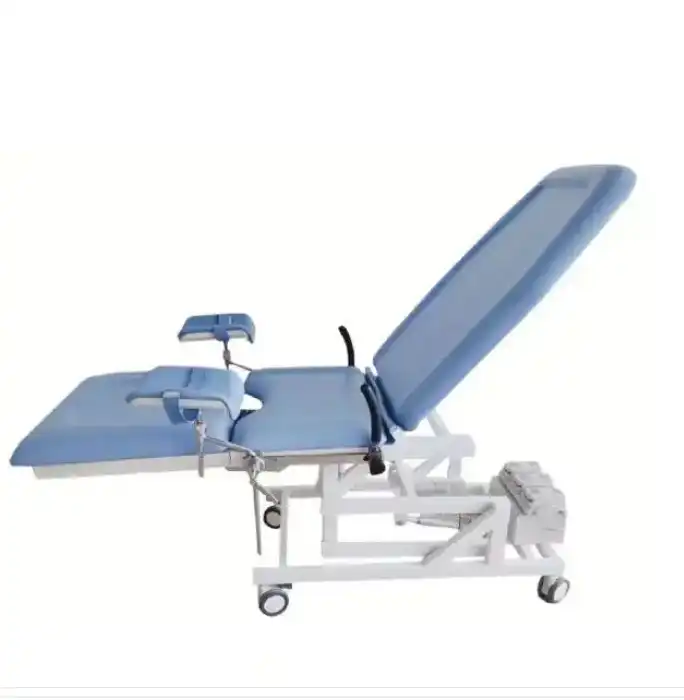
Specialised versions, like gynaecological tables, paediatric tables, and units that can hold a lot of weight, add to the cost. The different combinations of the GreatMicroCare gynaecological examination tables show how special additions and structural reinforcements can change cost factors while still meeting specific clinical needs.
Market Segmentation and Pricing Benchmarks
Regional production sources have a big effect on how prices are set. Products made in well-known hubs for medical equipment usually follow strict quality control methods and have a wide range of certifications. Direct factory relationships, like the ones GreatMicroCare offers, get rid of markups that come from middlemen while still meeting the requirements for foreign markets for every examination table produced.
A lot of money can be saved by signing a volume buying deal. When healthcare systems buy ten or more units, they can often get savings of fifteen to thirty percent off the list price. There are more chances to get good price terms for an examination table with project-based orders for building a new facility or remodelling an entire area.
How to Choose the Right Medical Examination Table Based on Your Needs
Before making a strategic buying choice for an examination table, it's important to carefully consider what the business needs, not just compare prices. By matching equipment specs to how it will be used, you can avoid both spending too much on features that aren't needed and not spending enough on features that are very important.
Evaluating Usage Scenarios and Clinical Requirements
The daily number of patients directly affects the reliability standards that need to be met. If a facility treats more than twenty people every day, it should focus on commercial-grade building for their examination table that can hold more than 500 pounds. The frame should be easy to clean because it shouldn't have many cracks where dirt can gather.
The types of patients affect the functional objectives. Low minimum-height designs are very helpful for elderly care homes because they lower the risk of falls during transfers from the examination table. For paediatric use, platforms may need to be smaller and side bars may need to be adjustable. The GreatMicroCare KY-PD8411-2 model meets the needs of a wide range of people thanks to its wide range of adjustments and easy-to-use controls.
Material Durability and Ergonomic Considerations
Choose the right upholstery material to balance patient pleasure with the need to prevent infections on the examination table. Medical-grade vinyl is still the standard because it is very resistant to body fluids and can be cleaned with hospital-grade disinfectants. Antimicrobial treatments cost more, but they are worth the money in places with a lot of risk.
The comfort of staff should also be taken into account. When doctors do exams, an electric height change for the examination table makes it easier on their muscles and joints. Foot-pedal controls make it easy to move the table and keep your hands free to connect with the patient. These features help keep employees and improve health at work, which are perks that go far beyond the cost of the initial tools.
Balancing Budget Constraints with Long-Term Value
Total cost of ownership is a more true way to figure out how much an examination table costs than just looking at the buying price. A high-quality power table that costs $6,000 and lasts fifteen years with little upkeep is a better deal than one that costs $3,000 and needs to be replaced every seven years. Longer guarantees and quick technical help also affect how much something costs over its whole lifetime.
Energy economy is a cost factor that is often forgotten. Modern electric motors in an examination table use a lot less power than older models, which saves a small amount of money over time on running costs. When the power goes out, battery backup systems keep work from stopping. This is especially important in places where the electrical equipment is getting old.
Price Comparison and Cost Breakdown of Popular Medical Examination Tables
For full financial planning, you need to know not only how much it costs to buy tools, but also how much it costs to own an examination table over its entire lifecycle.
Detailed Price Checks of All the Major Brands
Beginner manual examination tables from well-known brands start at around $900 and have simple height adjustments and padding. Mid-range semi-electric units cost between $2,200 and $4,000 and have motorised parts, while still being affordable for places on a budget.
Between $4,500 and $7,500 is the price range for high-end electric examination tables. The GreatMicroCare Electric Examination Bed is priced reasonably in this range and has features that are usually found in more expensive options. These include precise electric motors that make sure the machine runs smoothly, a lot of safety features like overload protection, and convenient control panels that make the machine easy to use.
More money is charged for specialised setups. Gynaecological examination tables with built-in stirrups, specialised lighting, and waste collection systems usually increase base model price by $1,200 to $2,500. Bariatric-rated tables with stronger frames and bigger sizes also cost more than regular tables because they can do more.
Large-Order Discounts and Cost Savings
Through B2B procurement methods, you can save a lot of money on an examination table that you can't get through retail sales. When healthcare systems buy five to ten units, they usually get savings of ten to fifteen per cent. Larger orders of more than twenty units can often get prices lowered by up to thirty per cent, especially if the specs allow for standardisation across multiple sites.
When building a new centre, project-based buying gives you the most negotiating power for an examination table. Examining tables and other medical furniture are frequently included in comprehensive equipment deals. GreatMicroCare's combined production skills allow for flexible package configurations that can be tailored to the needs of each project while still keeping prices low.
Additional Costs and Total Costs of Ownership
Shipping costs depend a lot on where the examination table is going and how much is being sent. Domestic freight within the US usually costs an extra $150 to $400 per unit. International freight, on the other hand, needs a more in-depth cost study that takes into account customs taxes and clearance paperwork. When you ship a lot of items at once, the cost of shipping each item is much lower.
Installation services include everything from simple tasks like arrival and unboxing to full assembly and training for staff. A $200 to $500 professional fitting fee per unit makes sure that the examination table is set up correctly and lowers the risk of a guarantee claim. Warranty coverage ranges from one to five years, based on the brand and price level. For an extra fee, you can get security plans that last longer.
For high-quality electric examination tables, maintenance costs are still fairly low. Usually, once a year preventative maintenance calls cost between $150 and $300 and include checking, calibrating, and making small changes. Most repair costs come from replacing the cushion every five to seven years, which costs about $400 to $800 based on the type of material.
Best Practices for Procuring Medical Examination Tables in the B2B Market
Effective buying plans for an examination table include more than just finding the best prices. They also look at how reliable the suppliers are, how well they follow the rules, and how they provide ongoing support.
Buying from Suppliers Who Have Been Approved and Checked Out
Verifying the supplier of an examination table keeps you safe from fake goods and makes sure that the manufacturer's guarantees are real. Direct connections with factories make it clear how things are made and how quality is controlled. GreatMicroCare keeps up-to-date licensing portfolios that cover all of the rules and laws that apply to medical devices in target markets. This makes it easier to get through customs and follow the rules.
Certifications for manufacturing give real proof of quality control systems for an examination table. ISO 13485 approval is only for making medical devices, while CE marking shows that the product meets European safety standards. FDA approval shows that the product is legal to sell in the United States. During the evaluation of the seller, these qualifications should be easy to find and look over.
Terms of the Warranty and Support After the Sale
Full warranty protection keeps examination table investments safe from flaws in the manufacturing process and early fails. Standard guarantees that last one to two years are enough to protect you, but for important parts like electric motors and structural frames, luxury providers often offer promises that last up to five years.
How quickly after-sales help responds has a big effect on business continuity for an examination table. When problems happen, suppliers that keep specialised technical support teams with quick response methods keep downtime to a minimum. One-on-one account management at GreatMicroCare makes sure that technical specs, order tracking, and service questions are promptly addressed. This type of service model lowers procurement risks and supports long-term business efficiency.
Strategies for Negotiating Prices That Are Competitive
Doing a lot of study on the market and setting reasonable price points is the first step to good bargaining for an examination table. Procurement workers negotiate from a position of strength when they have competitive quotes from multiple providers. Focusing on long-term partnership opportunities and expected future volume increases bargaining power beyond the value of the current order.
When you're flexible about shipping dates for an examination table, you can often get lower prices. Suppliers who are in charge of production plans enjoy orders that work with their capacity planning, and they may make small price changes to show their appreciation. Payment terms also affect the end price, and sometimes bigger deposits or early payment are required to get better deals.
Case Studies: Successful Procurement and Deployment of Medical Examination Tables
Implementation experiences in the real world can teach you a lot about good buying strategies for an examination table and common mistakes that need to be avoided during the acquisition process.
Community Health Center Standardization Initiative
A regional health network with twelve community clinics standardised all of their examination tables to make upkeep easier and staff training better. In order to choose electric tables, the buying team looked at seventeen different types and made their choice based on data on reliability and estimates of the total cost of ownership.
The standardisation project arranged bulk pricing for 48 units, which got them a discount of 23% off the list price. With this method, the cost per unit of an examination table that usually costs around $5,300 dropped to $4,100. Standardisation not only saved money directly, but it also made it easier to keep track of extra parts and streamlined training for staff in all places.
Problems arose during the specification development process when different areas pushed on feature standards for the examination table that didn't work together. To find a solution, all stakeholders had to be involved in showing how standard tools with add-ons that could be used for different clinical needs could be made more efficient without losing effectiveness. The experience made me realise how important it is to include stakeholders early on in the development of specifications.
Hospital Emergency Room Workflow Optimization
A 300-bed hospital that was remodelling its emergency room put examination tables at the top of the list to help move patients quickly during busy times. The buying team asked for electric tables with programmable positioning options. Compared to older manual equipment, this greatly cuts down on the time needed to change between patients.
At first, cost research made people worry about the high prices of a fully electric examination table. A thorough study of the workflow showed that cutting down on the time needed for moving would allow each exam room to hold two more people every day. This increase in capacity supported the bigger investment in tools by bringing in more money and making patients happier.
Implementation showed how important it is to train staff thoroughly on the new examination table. It took a few weeks for clinical teams to fully use the advanced positioning features. At first, they went back to using the manual override settings they were used to from older equipment. Structured training programs and visual quick-reference guides helped users accept all features and achieve the expected efficiency gains.
Specialty Clinic Equipment Upgrade Experience
It taught them a lot about specification goals when they had to replace examination tables that had been used for twelve years. The original buying focused on getting the best deal, which led to equipment choices that needed a lot of fixes from years eight to twelve and eventually broke down early.
The focus of the replacement purchase for an examination table changed to a lifecycle cost study and the image of the manufacturer's support. Even though the initial investment was 35% higher, the chosen tables came with complete warranties that lasted five years and showed better construction quality during factory inspections set up by the seller.
This experience showed how important it is to have direct relationships with manufacturers of the examination table. GreatMicroCare's desire to set up tours of their facilities and give out full technical documentation helped people trust their products in a way that catalogue descriptions alone couldn't. Instead of comparing prices at first, the practice now uses total ownership cost models to decide what medical tools to buy.
Conclusion
When buying a strategic examination table, you need to look at more than just the initial purchase price. You need to look at things like total ownership costs, source reliability, and clinical usefulness. Prices range a lot, from simple manual models to complex electric setups. Differences in price are due to differences in specs and features. For procurement to go well, operational needs must be matched with the capabilities of the tools, and chances for bulk purchases and direct relationships with manufacturers must be taken advantage of. GreatMicroCare is ready to help healthcare facilities with their buying process by providing approved goods, quick technical support, and reasonable price structures that are meant to build long-term relationships.
FAQ
What factors most significantly affect examination table pricing?
The main things that affect prices for an examination table are the quality of the construction, the ways that it can be adjusted, and the technology that is built in. Electric models with precise motors, customisable controls, and special setting features are much more expensive than manual tables with simple frames. Choosing the right material for the cushion and structure parts also affects the price. For example, medical-grade antimicrobial materials cost more than regular materials. Customisation needs, like changing the size or adding specialised tools, raise the price because of the extra technical work and manufacturing changes that need to be made.
Which suppliers offer the most reliable after-sales service?
When compared to equipment wholesalers or resellers, direct ties with manufacturers usually offer better customer service for an examination table. This method is used by GreatMicroCare, which has dedicated account management, detailed technical documents, and a service platform that is quick to respond. When choosing a seller, looking at warranty terms, the availability of replacement parts, and how quickly expert support responds can help you find partners who can meet your long-term business needs.
How can buyers secure optimal value during procurement?
To fully optimise value for an examination table, you need to balance the initial purchase price against the total costs of ownership, which include fixes, upkeep, and the length of time the product works. Facilities that buy more than one unit or coordinate orders across healthcare systems can get big savings through volume purchasing deals. Getting suppliers involved early in the planning stages of a project makes it easier to improve specifications and find cost-effective options that meet healthcare needs without adding extra features that aren't needed.
Partner with GreatMicroCare for Your Examination Table Requirements
GreatMicroCare Medical offers great value by supplying each examination table directly from the plant, ensuring consistent quality control and setting prices that are fair for business-to-business purchases. Our wide range of products meets a wide range of healthcare needs in general hospitals, specialised facilities, community health centers, and places where older people are cared for. The KY-PD8411-2 Electric Examination Bed shows our dedication to new ideas and dependability. It comes with all the medical certifications needed for easy foreign deployment. We can handle both large orders and smaller projects, and our open customisation options let you change the size, shape, or material of the products to exactly meet your needs. As a company that makes examination tables and has a lot of experience exporting medical equipment, we know what healthcare centers in the US and around the world need when they are buying things and following the rules. Email our team at Jackwang@medicalky.com to get personalised prices, talk about technical specs, or look into group pricing options that will help you save money on purchases while still providing the best infrastructure for patient care.
References
1. Johnson, M. & Peters, R. (2022). Medical Equipment Procurement Strategies for Healthcare Facilities. Healthcare Management Press.
2. Anderson, K. (2023). Understanding Total Cost of Ownership in Clinical Equipment Investments. Journal of Healthcare Administration, 45(3), 112-128.
3. Williams, S. et al. (2021). Electric vs. Manual Medical Examination Tables: A Comparative Cost-Benefit Analysis. Medical Equipment Quarterly, 18(2), 67-84.
4. Thompson, L. (2023). Quality Standards and Certification Requirements for Medical Furniture in International Markets. Global Healthcare Compliance Review, 12(1), 34-52.
5. Martinez, D. & Chen, W. (2022). B2B Procurement Best Practices in Healthcare Supply Chain Management. Clinical Operations Press.
6. Roberts, H. (2023). Ergonomic Design Considerations for Patient Examination Equipment in Modern Healthcare Settings. International Journal of Medical Device Technology, 29(4), 201-219.
